
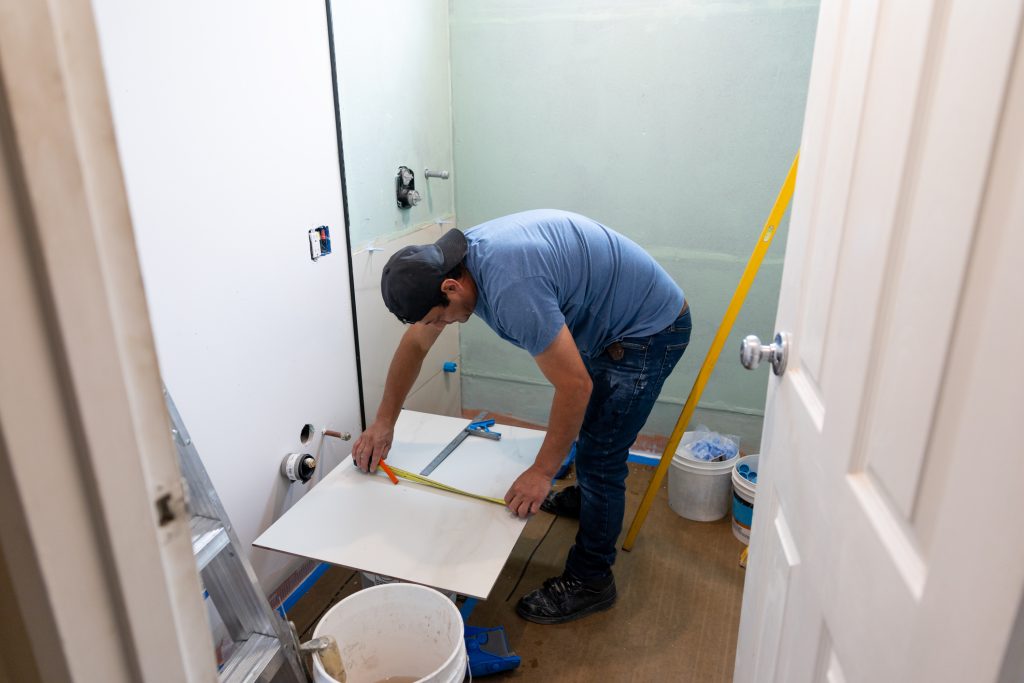
9 Bathroom Remodeling Ideas That Combine Style and Function
A bathroom should do more than look beautiful. It should also make everyday routines easier, provide enough storage, and hold up to regular use. Whether you are updating an outdated bathroom or planning a complete renovation, the right design choices can help you create a space that balances comfort, durability, and style.
Bathroom remodeling offers an opportunity to rethink everything from the layout and lighting to the fixtures and finishes. You do not necessarily need a large bathroom or an unlimited budget to make a noticeable improvement. With thoughtful planning, even a smaller space can feel more organized, modern, and inviting.
Here are nine bathroom remodeling ideas to help you create a bathroom that looks great and works well for your household.
1. Upgrade to a Walk-In Shower
Walk-in showers are a popular choice for homeowners who want a clean, modern appearance. Depending on the layout, replacing a bulky shower enclosure or an underused bathtub with a walk-in shower can make a bathroom feel more open.
Frameless glass panels help maintain clear sightlines, while large-format tiles can create a streamlined look with fewer visible grout lines. Built-in niches provide convenient storage for shampoo, soap, and other shower essentials without requiring additional shelving.
Functionality should remain a priority. Choose slip-resistant flooring, reliable waterproofing, and fixtures that suit your needs. A low-threshold or curbless shower may also improve accessibility when the bathroom’s structure and drainage allow it.
Before removing a bathtub, consider whether your household needs one and whether retaining a tub could be useful for children, guests, or future resale.
2. Choose a Vanity With Smart Storage
A beautiful vanity can become a focal point of the bathroom, but it should also provide practical storage. Countertops often become crowded with skincare products, toiletries, hair tools, and other everyday necessities.
A vanity with deep drawers, organized compartments, and concealed storage can help keep these items accessible without leaving everything on display. Floating vanities are another option for creating a lighter visual appearance, and the open floor area beneath them can make a smaller bathroom feel less crowded.
Double vanities may be worthwhile in shared bathrooms if there is enough room for comfortable movement. In smaller spaces, a single vanity with efficient storage may provide a better overall layout.
When selecting materials, look for finishes that can handle moisture and regular cleaning. A well-designed vanity should support your daily routine while complementing the bathroom’s overall style.
3. Improve the Lighting
Lighting affects both the appearance and usability of a bathroom. A single overhead fixture may leave shadows around the mirror, making tasks such as shaving, applying makeup, or styling hair more difficult.
Layered lighting can provide a better solution. Ambient lighting illuminates the room, task lighting near the mirror improves visibility, and accent lighting can highlight architectural details or create a relaxing atmosphere.
Consider wall sconces beside the mirror or fixtures positioned to reduce harsh shadows. Dimmable lighting can also make it easier to transition from bright morning routines to a more relaxing evening environment.
Bathrooms require special attention to electrical safety because of moisture. Choose fixtures rated for their intended locations and have electrical work completed by qualified professionals.
4. Select Durable, Attractive Materials
Bathroom materials must withstand moisture, temperature changes, cleaning products, and daily wear. Choosing finishes based only on appearance can lead to unnecessary maintenance or premature replacement.
Porcelain tile is a common option for floors and shower walls because it is available in many styles and offers good durability. Natural stone can provide a distinctive look, but some varieties require sealing and more careful maintenance. Quartz is another popular choice for vanity countertops because it offers a wide range of colors and patterns.
When comparing materials, consider the initial cost, installation requirements, cleaning routine, and long-term durability. A finish that looks beautiful but requires more maintenance than you want may not be the best fit.
You can still achieve a high-end appearance by combining a few standout materials with simpler, complementary finishes. The goal is to create a bathroom that looks cohesive and continues to perform well over time.
5. Incorporate a Timeless Color Palette
Color can influence the entire mood of a bathroom. Soft whites, warm neutrals, muted greens, and natural earth tones can create a calm atmosphere without making the space feel overly trendy.
A neutral foundation also provides flexibility if you decide to change towels, artwork, accessories, or hardware in the future. This can be especially useful when investing in permanent features such as tile, countertops, and cabinetry.
However, timeless design does not have to mean plain design. Patterned floor tile, a distinctive vanity, textured wall finishes, or a contrasting accent can introduce personality without overwhelming the room.
Consider the bathroom’s natural light and existing finishes before choosing paint and tile colors. Testing samples in the actual space can help you see how they look throughout the day.
6. Make Storage Part of the Design
Storage is one of the most important elements of a functional bathroom. Without a clear place for everyday essentials, even a newly remodeled room can quickly become cluttered.
Recessed shower niches, mirrored medicine cabinets, built-in shelving, and drawer organizers can help maximize available space. If the bathroom has an awkward corner or unused wall, consider whether a narrow cabinet or custom storage solution could make it more useful.
Think about how many people use the bathroom and what they need to store. A primary bathroom may require room for multiple sets of toiletries, while a guest bathroom might benefit from simple, easy-to-maintain storage.
Planning storage before construction begins is particularly helpful because it allows cabinets, plumbing fixtures, and electrical outlets to be coordinated with the overall layout.
7. Update Fixtures and Hardware
Replacing outdated faucets, showerheads, cabinet pulls, towel bars, and other hardware can give a bathroom a refreshed appearance without changing every major feature.
Brushed nickel, chrome, matte black, and warm brass finishes each create a different look. The best choice depends on the bathroom’s overall design, the other finishes in the room, and your personal preferences.
For a coordinated appearance, choose finishes that complement one another rather than mixing too many competing styles. Matching every item is not essential, but the combination should feel intentional.
Function matters just as much as appearance. Look for reliable fixtures that are easy to clean and suited to your plumbing setup. Water-efficient faucets and showerheads can also help reduce water use when selected for your household’s needs.
If you are replacing several fixtures at once, coordinating those choices early can help avoid compatibility problems during installation.
8. Improve Ventilation and Moisture Control
A bathroom remodel is an ideal time to address ventilation. Steam from showers and baths can increase indoor humidity, contributing to condensation, peeling paint, and conditions that encourage mold growth when moisture is not managed properly.
An appropriately sized exhaust fan can help remove humid air, particularly in bathrooms without operable windows. Make sure the ventilation system is installed and vented correctly, and consider a humidity-sensing control or timer to help it run long enough after bathing.
Waterproofing is equally important around showers, tubs, and other wet areas. Properly installed membranes, sealed transitions, and suitable materials help protect the structure behind finished surfaces.
If you notice persistent moisture, musty odors, or recurring water damage, investigate the underlying cause rather than covering up the symptoms with new finishes.
Addressing these less visible details can make a major difference in the long-term performance of a bathroom renovation.
9. Plan the Layout Around Everyday Use
The most attractive bathroom will not feel successful if the layout makes everyday routines difficult. Before choosing finishes, consider how people move through the space and whether the existing arrangement supports their needs.
Think about door swings, clearance around the toilet, access to the shower, vanity space, and the location of towel bars and storage. In a shared bathroom, it may be helpful to separate certain functions so more than one person can use the room comfortably.
Moving plumbing fixtures may improve the layout, but it can also increase costs and construction complexity. Keeping the toilet, sink, or shower in its current location may be a more budget-friendly option if the existing arrangement works reasonably well.
If you are planning a more extensive renovation, a professional can help evaluate the available space, building requirements, and potential layout improvements before work begins.
Create a Bathroom That Works for You
A successful bathroom remodel balances visual appeal with the practical details that make a space comfortable to use every day. Thoughtful lighting, durable materials, useful storage, modern fixtures, and effective moisture control can all contribute to a better result.
Before beginning your project, establish your budget, identify your biggest frustrations with the current bathroom, and decide which improvements matter most. Prioritizing those needs can help you make informed choices while keeping the renovation focused.
Platinum Construction and Development is a resource to explore as you plan your home improvement goals. Visit Platinum Construction and Development to learn more about the company and explore possibilities for your next project.
For more ideas on balancing appearance and practicality, check out Bullock’s Buzz: How to Combine Style and Function During a Bathroom Remodel.
With the right planning and attention to detail, your bathroom can become a space that feels more organized, looks more inviting, and supports your household for years to come.
Check Us Out on Social Media!